Articles
Categories
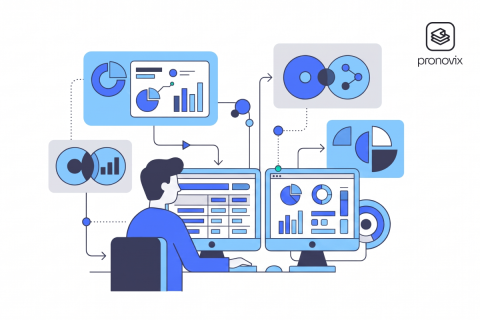
Strategic capability analysis versus day-to-day AI visibility monitoring, also for your APIs. A Pronovix-Gauge comparison
AI visibility monitoring and strategic API analysis serve different purposes. While Gauge helps marketing teams track how AI assistants mention their brands over time, Pronovix examines whether AI systems understand what enterprise APIs enable and how those capabilities connect to business solutions. This article compares the two approaches, their use cases, and how they help organizations improve their visibility and representation in AI-driven vendor discovery.

Pronovix Joins Mplify to Advance AI Visibility and API Discoverability
Pronovix joins Mplify, the global alliance for advancing Network-as-a-Service (NaaS) for AI and the development of AI-ready digital infrastructure. Through this collaboration, Pronovix will contribute its experience in AI visibility and API discoverability to support Mplify’s strategic initiatives.
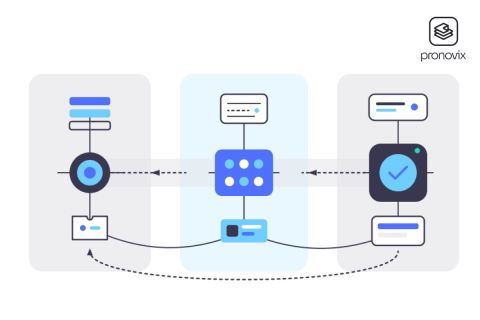
If access becomes infrastructure, what becomes the competitive interface of an API product?
When several API providers can solve the same technical problem, what does an agent know about why a customer would choose one over another? The answer depends on more than finding the right capability. It depends on what the agent understands about fit, current and defensible differentiation, and the evidence behind those differences. This raises a practical question for API product teams: where does that knowledge live, and how does it reach the systems representing the product?
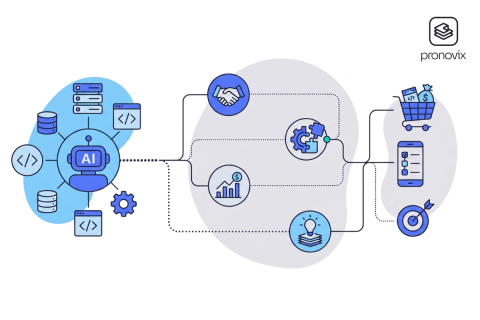
Machine-discoverable APIs still need merchandising
MCP servers and API registries can make APIs easier for LLMs and AI agents to discover and consume. But finding a capability is only part of how a business arrives at a solution. What happens in between involves use cases, solution fit, operational constraints, commercial viability, and knowledge that may sit well beyond the API documentation. This article looks at that gap through the lens of B2C merchandising and asks what API providers can already learn from the way their products appear in AI-generated answers.
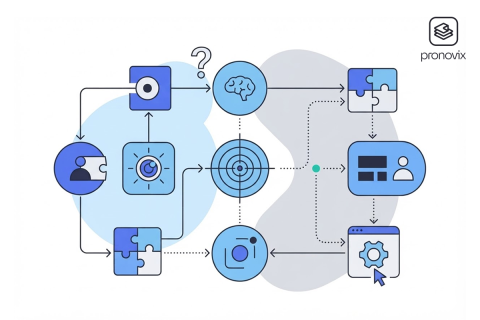
After an acquisition, did AI models get the memo?
What happens to B2B capability discovery as companies evolve after an acquisition? A field note for strategy and API leaders examining AI share of voice, digital estates, developer portals and market representation.
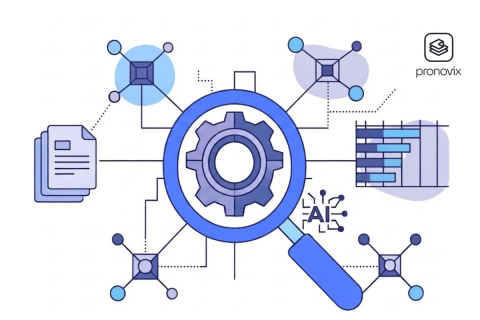
Measuring AI Share of Voice for API Products: Lessons from AEO/GEO Practitioners
AI share of voice and prompt monitoring make it possible to observe how API capabilities appear in AI-generated answers. This article looks at how practitioners establish baselines, choose and refine prompts, interpret share of voice and investigate visibility gaps. It also considers what changes when these methods are applied to API products, where the evidence can inform API documentation, competitive positioning and portfolio decisions beyond AI visibility itself.